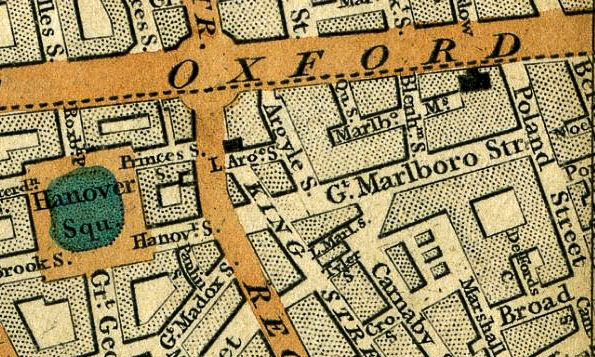
Let’s straighten out some confusions about where Charles Darwin and his family lived in London before they moved to Down House in Downe, a village in Kent.
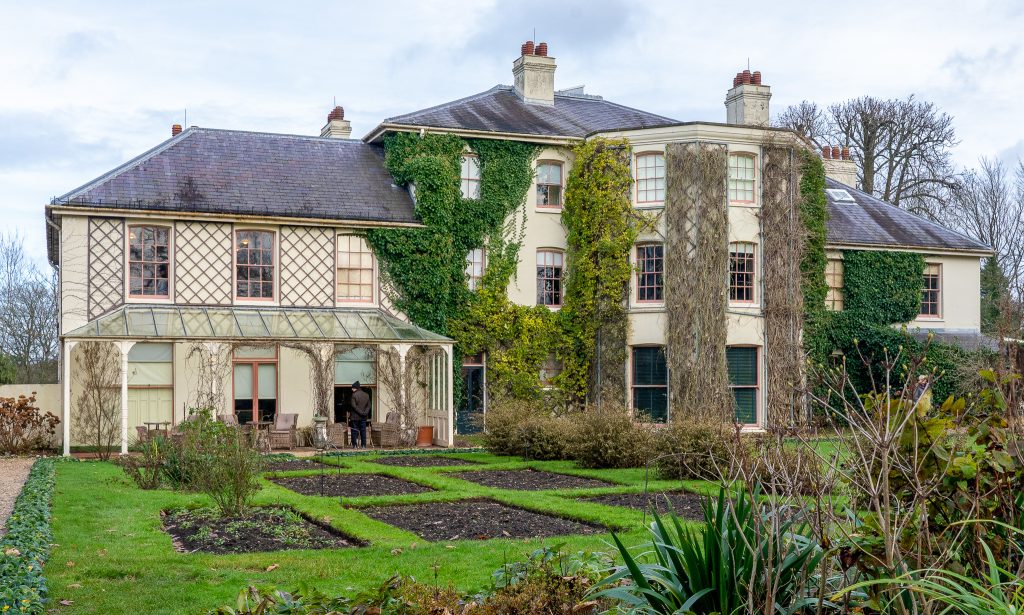
Down House (1842 onwards)
Charles and Emma Darwin moved into Down House in September 1842 together with their first son, William Erasmus Darwin (b. 1839), and their first daughter, Anne Elizabeth Darwin (b. 1841). Emma was heavily pregnant with their third child, Mary Eleanor Darwin (b/d. 1942), who sadly died shortly after birth in October 1842.
Before their move to Kent, three London properties served as a location for Charles Darwin:
- 43 Great Marlborough Street, London
- 36 Great Marlborough Street, London
- 12 Upper Gower Street
The Upper Gower Street address served as the one London location for Emma and the Darwin children.
Darwin pilgrims beware! These historical addresses don’t correspond with locations a visitor will experience today. Slight adjustments are required to account for changes to street numbers and replacement buildings.
Where Did Darwin Live?
After HMS Beagle returned to Britain (arriving at Falmouth on 02 October 1836), Charles rushed home to The Mount in Shrewsbury, which was his family home. After reacquainting himself with family and friends (such as with visits to Maer Hall to see the Wedgwoods) and brief stints elsewhere, Charles took up a short residence in Cambridge (Fitzwilliam Street). This lasted between 16 December 1836 and 6 March 1837, when he moved to London.
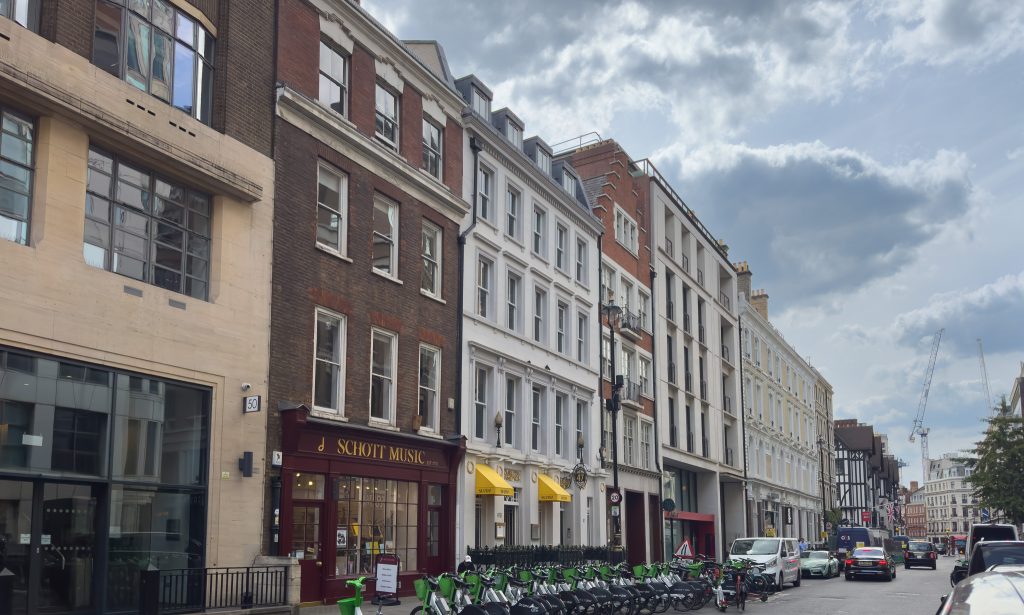
1. Number 43 Great Marlborough Street, London (map)
This was the residence of Charles’ brother, Erasmus Alvey Darwin, who lived at number 43 from at least late 1836. Charles did not “take up lodgings” (i.e., sign a lease) at 43 Great Marlborough Street, but he used his brother’s flat as a base when visiting London while he held the flat in Cambridge.
Darwin pilgrims beware! The building addressed as number 43 today is not in the same location as number 43 in Darwin’s day. The former location now is number 48 Great Marlborough Street. Addresses on Great Marlborough Street were renumbered in 1925 when construction of the new retailer, Liberty, prompted reorganisation of nearby roads.
The original number 43 building was built in the early 18th century. It has a rich history prior to Erasmus’ occupation (Survey of London). It was significantly altered later in the 19th century. The current structure does not reflect its appearance in the 1830s, though some internal elements are original.
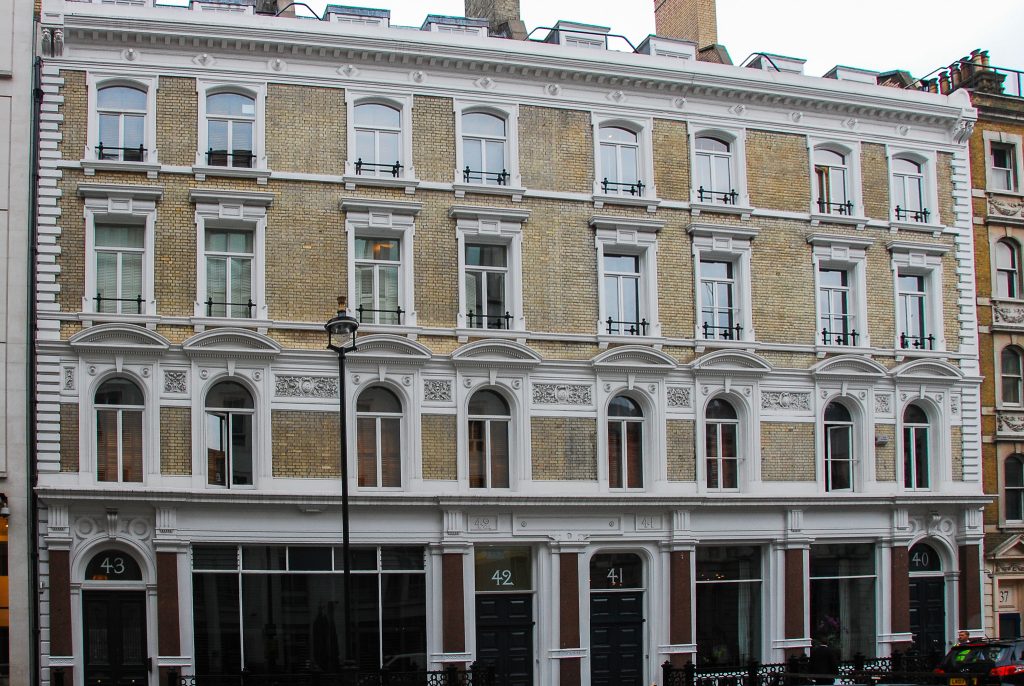
2. Number 36 Great Marlborough Street, London
Charles moved into 36 Great Marlborough Street in March 1837. He kept his residence at number 36 until 31 December 1838. It’s not clear how much of the building he occupied.
Darwin’s choice of location certainly was influenced by the fact his brother lived several doors away. Great Marlborough Street also is conveniently located for Somerset House on the Strand, which housed the Geological Society of London between 1828 and 1874. It also was within easy walking distance for elements of Charles’ expanding social life as a bachelor, such as Bedford Place, home to the Horner family wherein Charles had begun several flirtations (e.g., here).
Darwin pilgrims beware! The building that is number 36 today is not the same location as number 36 in the period of Darwin’s residency. The address of the building Darwin occupied is now number 41 Great Marlborough Street. It was renumbered in 1925 in the reorganisation of streets surrounding Liberty.
The original 18th century range of buildings that once comprised numbers 34-40 was demolished later in the 19th century and replaced by the current range (now 39-45) (Survey of London, volume 31). The new building is entirely different from the previous one. The specific postcode for the current 41 Great Marlborough Street is W1F 7JQ.
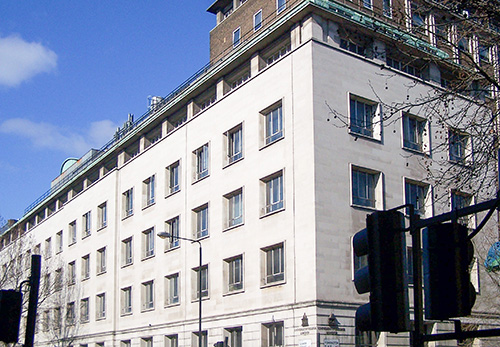
3. 12 Upper Gower Street
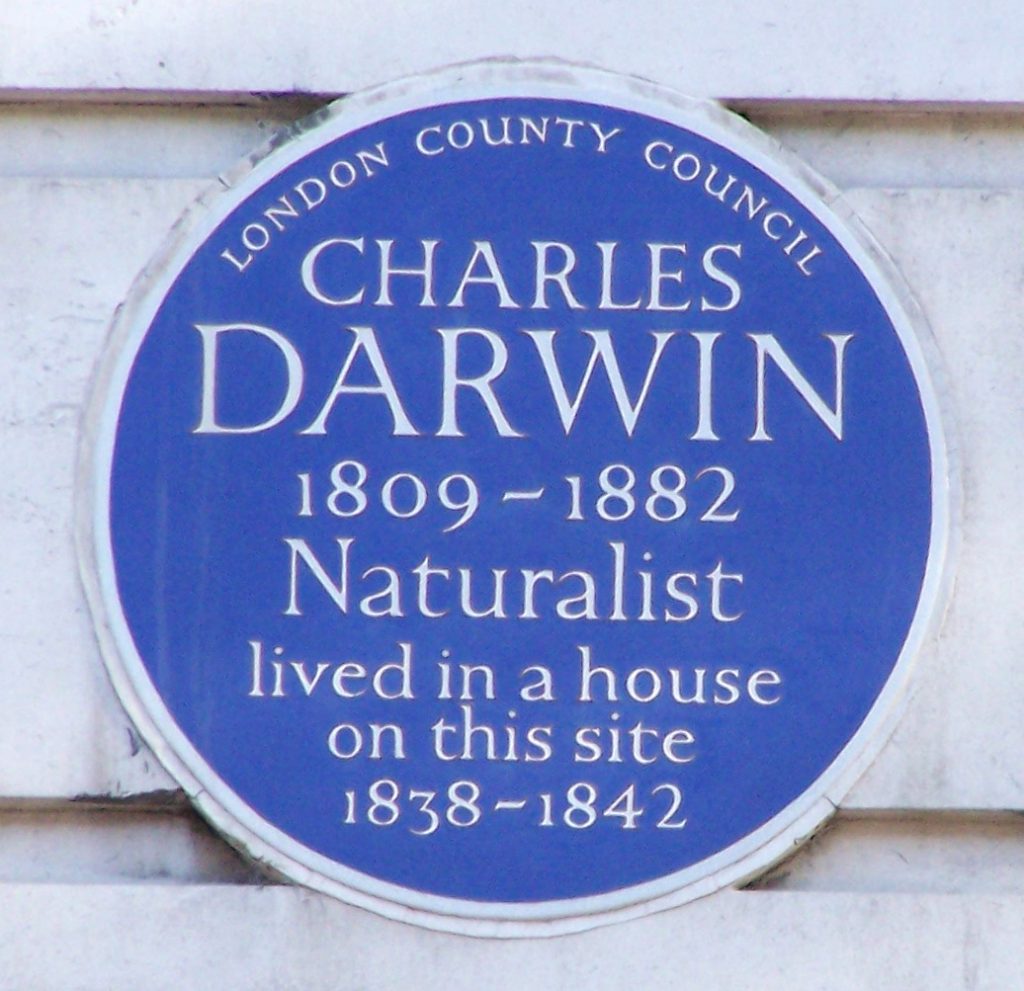
Number 12 Upper Gower Street was the first residence of Charles and Emma Darwin upon their marriage. Charles moved into 12 Upper Gower Street on 31 December 1838, sleeping overnight into 01 January 1839. The precise date confuses some references because the current blue plaque at this location gives “1838-1842” as the date of residency. Charles signed the contract on 29 December 1838, and he occupied the tenancy on 31 December 1838, making the date on this plaque accurate even though it is misleading for implying a longer period of time in residence.
Charles Darwin and Emma Wedgewood were married 29 January 1839 in St Peter’s Anglican Church in Maer. The couple spent their wedding night on Upper Gower Street. To accomplish this, they travelled on that day from Maer to London via Birmingham and the new London to Birmingham Railway line arriving at Euston Grove. This was the first night Emma resided at number 12 Upper Gower Street.
Number 12 Upper Gower Street was a lease arrangement. The building was constructed in the 1780s. Overeager, Charles furnished number 12 with hastily purchased goods in garish colours. The couple jokingly referred to it as “Macaw Cottage”.
The couple resided at 12 Upper Gower Street until September 1842, when they moved to Down (later Downe) village and into the residence later known as Down House. The Down House property visitors see today is the product of considerable expansion by the Darwins during their long ownership of the property.
Number 12 Upper Gower Street does not exist today. Upper Gower Street was renumbered and renamed in 1864. In the new scheme, “12 Upper Gower Street” became “110 Gower Street”. The building had a long history of occupancy before and after the Darwins. By the end of the 19th century the property was substantially different, becoming part of a large dormitory complex. The building was destroyed during World War Two. The site now is occupied by UCL Darwin Building, which displays a commemorative blue plaque for Charles Darwin.
Buildings approximating the size and layout of the house known to Charles and Emma currently include numbers 87-89 Gower Street. These are located closeby on the opposite side of Gower Street.
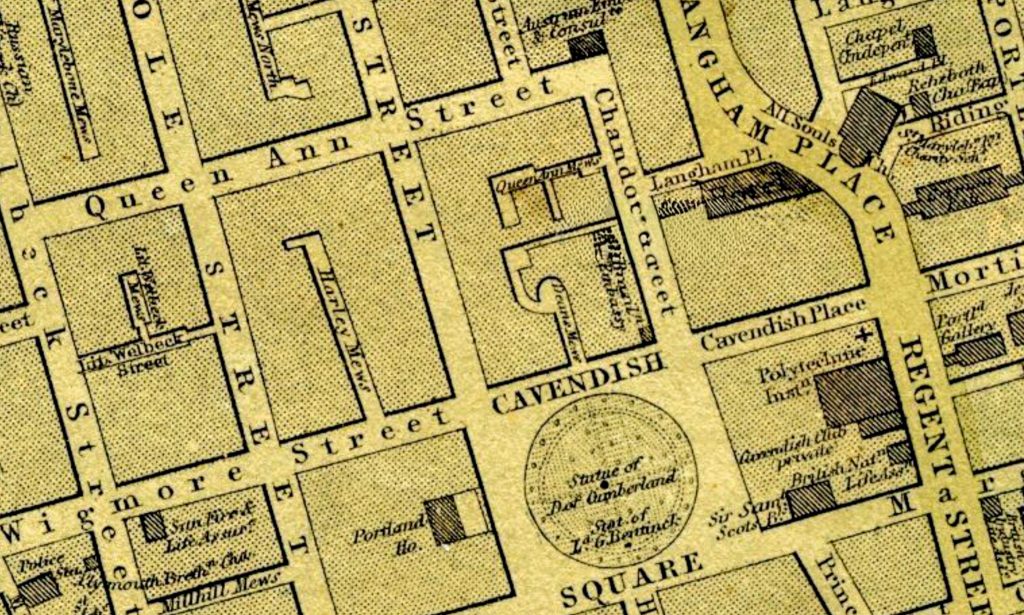
Extra: 6 Queen Anne Street (London)
Later in the 1840s, Erasmus Darwin relocated to a house on Park Street, London. In 1854, Erasmus purchased number 6 Queen Anne Street in London and lived at this address until his death in 1881.
Charles occasionally used his brother’s address as one of several bases of operation in London (he did the same with other family members, as in here and here). Erasmus allowed nieces and nephews to do the same. Charles inherited 6 Queen Anne Street from his brother in 1881. This property no longer exists as a distinct address.
ProfJoeCain 2026